



Are Temporary Walls Landlord-Approved? What “Classified as Furniture” Really Means

Last reviewed by Amit · June 2026
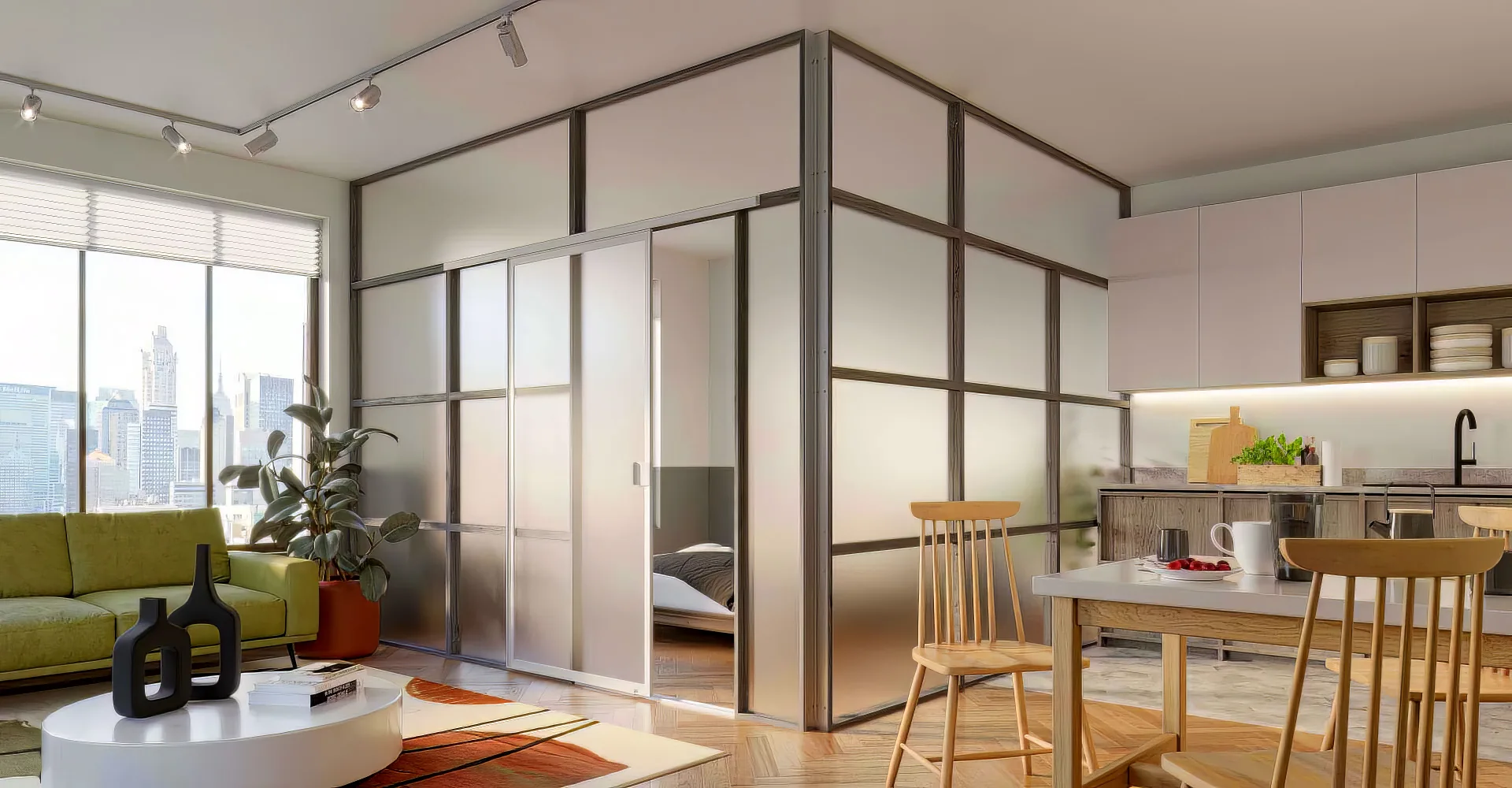
Freestanding temporary walls are landlord-approved by design because they are classified as furniture, not construction. They attach to nothing, damage nothing, and can be removed without repair.
That phrase — classified as furniture — is not just a nice line.
It is the whole difference.
In NYC, the moment a wall becomes attached to the apartment, the conversation changes. If it is drilled, anchored, tension-mounted, or built into the structure, it can trigger landlord approval, permit questions, fire-code concerns, and move-out repairs.
Freestanding systems avoid that problem completely.
They stand on their own.
Watch the Renter-Friendly Wall Alternative
See why a freestanding divider is landlord-approved — it attaches to nothing and is classified as furniture.
Video Summary
This video shows the renter-friendly wall alternative: a freestanding room divider that attaches to nothing, causes no damage, and is classified as furniture instead of construction.
Furniture Does Not Modify the Apartment
Think about a bookshelf.
A wardrobe.
A cabinet.
A folding screen.
You can bring furniture into an apartment because it does not alter the apartment itself.
A freestanding wall works the same way. It sits inside the space. It does not become part of the building.
That is why 1W2R room dividers are designed around one rule:
Touch the space. Never damage it.
Why Landlords Care
Landlords usually care about three things:
- Is the apartment being damaged?
- Is the building being modified?
- Will there be a problem when the tenant moves out?
Built walls can create all three concerns.
Pressurized walls can also create concern because they apply pressure to the floor and ceiling and may affect egress or building rules. This is exactly why many luxury buildings pushed them out — the full story is in our freestanding loophole explainer.
Freestanding walls are different because removal is clean.
No patching. No repainting. No holes. No ceiling marks.
The apartment stays the apartment.
Does This Mean You Never Need to Tell Your Landlord?
For most renters, a freestanding divider is treated like furniture.
That said, every lease is different. If your lease has unusual rules about large furniture, partitions, or room occupancy, it is always smart to check.
But the important point is this:
You are not asking to build.
You are placing a movable furniture system inside your home.
That is a very different conversation.
Why This Matters for Security Deposits
Security deposits are lost when apartments come back damaged.
A freestanding divider protects your deposit because it does not create the damage in the first place.
No drilling.
No anchors.
No removal scars.
No “we had to repaint this whole wall” surprise.
Your deposit should not be the cost of privacy.
What Counts as Freestanding?
A divider is freestanding when it:
- Stands on its own weight
- Does not attach to the floor
- Does not attach to the ceiling
- Does not attach to structural walls
- Can be removed without repair
- Can be moved, stored, or reconfigured
That is the standard 1W2R builds around. If you need a fuller enclosure, the same rule still applies to a room divider with a door.
The Bottom Line
Landlord-approved does not have to mean complicated.
If it does not attach, damage, or modify the apartment, it stays in furniture territory.
No permits. No contractors. No damage.
That is the loophole.
That is the freedom.
Get a Quote or call 212.671.0722. Have more questions? See our FAQ.
Frequently Asked Questions
Are freestanding temporary walls landlord-approved?
Yes. They are designed to be landlord-approved because they are freestanding, classified as furniture, and do not damage the apartment.
What does classified as furniture mean?
It means the divider is not attached to the building and is treated like a movable object rather than construction.
Can a landlord ban all dividers?
Every lease is different. If your lease has unusual restrictions, you should check. But freestanding dividers are designed to avoid the construction issues that concern landlords.
Will it affect my security deposit?
No. A freestanding divider does not drill, anchor, patch, or repaint, so it is designed to protect your deposit.
— Amit · Founder, 1W2R · 25+ years building walls in NYC
Get the spec PDF + 24h quote
No contractor, no permit, ships nationwide.