




Why NYC Luxury Buildings Banned Pressurized Walls (And the Legal Freestanding Loophole Renters Use Instead)

Last reviewed by Amit · May 2026
If you’ve spent more than five minutes apartment hunting in Manhattan, Brooklyn, or Queens, you’ve seen the listing: a one-bedroom converted into a “flex two-bedroom” with a pressurized wall. Maybe you’ve even lived with one.
But if you’re looking now — especially in a luxury building, a co-op, or a newer condo — you’ve probably noticed something: that option is quietly disappearing. Landlords are banning them outright. Building boards are adding explicit lease prohibitions. Some buildings have even started charging tenants to remove them on move-out.
Watch the Renter’s Loophole in a Real NYC Apartment
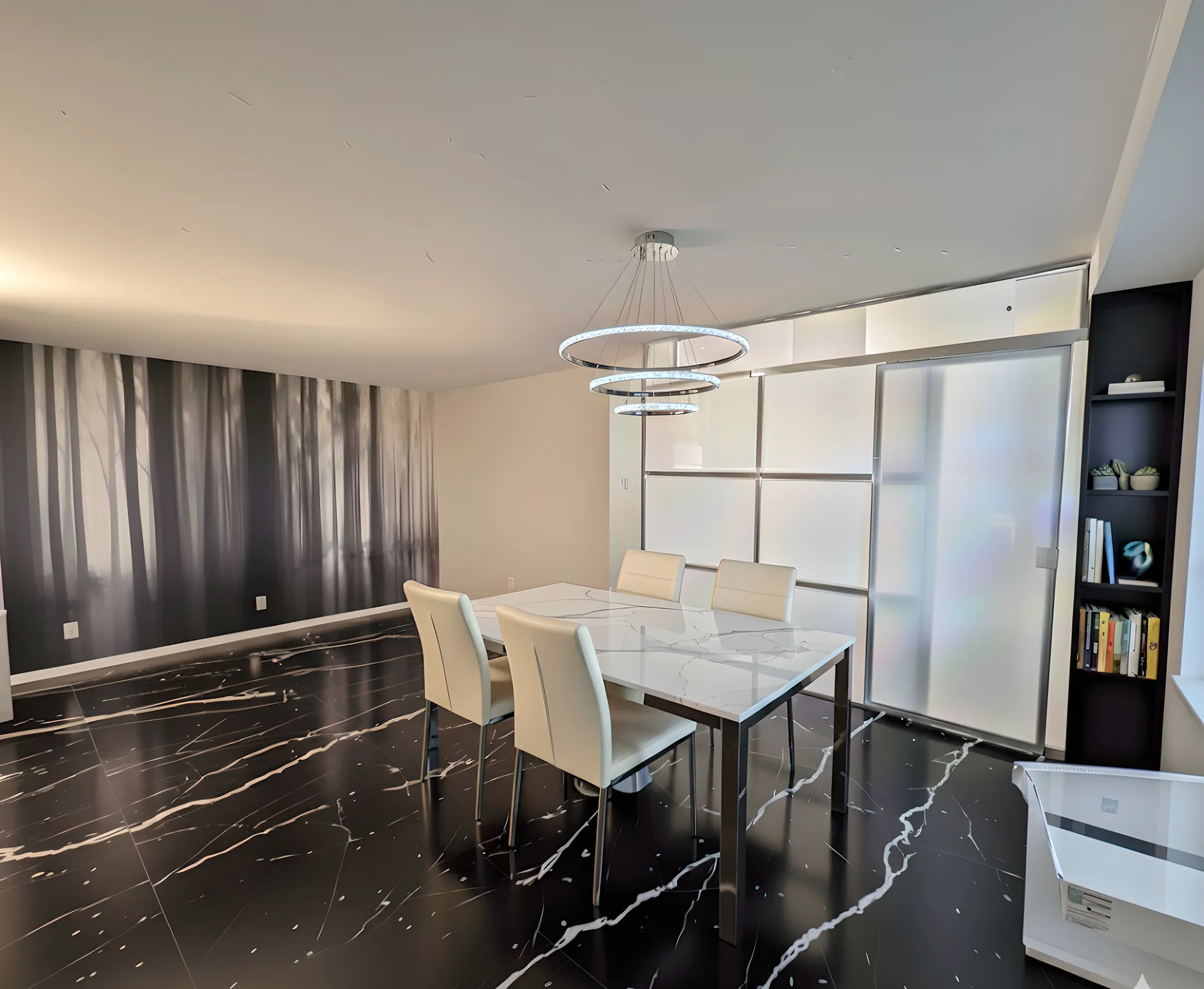
See how a freestanding room divider creates private space — no drilling, no permits, no damage.
Video Summary
Watch a real NYC studio transformation using a freestanding room divider. The divider creates private space with zero damage, no drilling, no attachments, and no permit because it is classified as furniture.
What Is a Pressurized Wall, and Why Did Everyone Use Them?
A pressurized wall (also called a tension wall or flex wall) is a temporary partition that uses a floor-to-ceiling spring mechanism to create tension between the floor and ceiling. No screws into walls. No permits required — in theory.
They became enormously popular in NYC for one simple reason: Manhattan apartments are expensive, and splitting a one-bedroom into a “flex two” let roommates split a $4,500/month rent instead of each paying $3,200 separately. For years, the gray area worked. That era is effectively over in premium housing.
Why NYC Luxury Buildings, Co-ops, and Condos Have Banned Pressurized Walls
1. The NYC Department of Buildings Considers Them Illegal Construction
Here’s the fact most renters don’t know: the NYC DOB classifies pressurized walls as unauthorized construction when they create a new room — not as furniture. Under NYC Building Code, any partition that creates an enclosed habitable space is considered a structural alteration requiring a permit, proper egress windows, and compliance with light, ventilation, and fire safety requirements that a pressurized wall almost never meets.
Buildings that allow pressurized walls risk DOB violations — and those violations attach to the building’s record, not just to the tenant’s unit. That’s why co-op boards and luxury building management companies have gotten aggressive.
2. Fire Safety and Egress Concerns Are Driving Policy Changes
A pressurized wall that creates a sleeping room without a window meeting NYC egress requirements — specifically, a window with a minimum opening of 20 inches in width, 24 inches in height, and a net clear opening of 5.7 square feet — creates a room that is illegal to sleep in. Building fire marshals and insurance underwriters have flagged this repeatedly.
3. Structural Damage and Security Deposit Disputes
The spring tension required to hold the wall in place — typically 40 to 80 pounds of force — presses constantly against the ceiling. Over months or years, this leaves permanent indentations in drywall ceilings, cracks in plaster, and gouges in hardwood floors where the base tracks sit. Premium buildings have zero-tolerance policies on this now.
4. Co-op Boards Have Added Explicit Prohibitions
In dozens of Manhattan and Brooklyn co-ops, house rules now include explicit language prohibiting “pressurized walls, tension walls, or any floor-to-ceiling partition system that creates an enclosed room.” Getting caught can result in lease non-renewal, forced removal at the tenant’s expense, and a formal board letter that follows the tenant’s application record.
The Loophole That Changes Everything: Freestanding Room Dividers as Legal Furniture
If a pressurized wall is banned because it constitutes unauthorized construction — because it creates a room — then the legal question becomes: what doesn’t create a room under NYC and building-specific rules?
The most-requested version of this loophole is a room divider with a door — a freestanding wall with a real sliding door that turns one room into two, permit-free and damage-free.
The answer: furniture.
A freestanding room divider — one that doesn’t touch the ceiling, isn’t anchored to walls or floors, and can be moved freely — is classified as furniture under both NYC DOB definitions and the vast majority of co-op/condo house rules. It is no more regulated than a bookshelf, a wardrobe, or a sectional sofa.
This isn’t a technicality or a gray area. It is the legal bright line that the entire pressurized wall regulatory framework was built around. No DOB issue. No landlord approval needed. No co-op board vote. No building permit. Nothing to disclose on a lease renewal.
Why Premium Freestanding Systems Are Beating Pressurized Walls
Modern freestanding panel systems have closed the gap with temporary walls on every practical dimension. Premium finishes in wood, matte, glass, or textured surfaces look like architectural elements, not furniture. Systems designed for NYC ceiling heights create genuine visual and functional privacy without touching the ceiling. And unlike a pressurized wall that’s fixed once installed, freestanding systems can be rearranged, extended, or reconfigured without a contractor.
The Financial Case: Asset vs. Expense
A pressurized wall installation in NYC typically costs between $800 and $2,500. That cost is gone on move-out day — pressurized walls are torn down and thrown away, contributing to construction waste while providing zero residual value to the tenant.
A premium freestanding system is fundamentally different: it’s a movable asset you own. When you move, it goes with you. It reconfigures to fit your next space. Your security deposit is untouched. And the investment compounds across apartments rather than being written off at each move.
The Bottom Line
NYC’s luxury buildings, co-ops, and condos have made their position clear on pressurized walls — and the DOB has backed them up. The legal, practical, and financial alternative is a premium freestanding room divider system that bypasses every prohibition, moves with you, and costs less over the lifetime of your NYC renting career.
Ready to configure your space without a contractor, a permit, or your landlord’s permission? Get a free layout consultation →
Get the spec PDF + 24h quote
No contractor, no permit, ships nationwide.