

Pipe and Drape Rental: What You Get and When to Upgrade

Reach me: 212.671.0722 · sales@1w2r.com
Last reviewed by Amit · July 2026
If you're pricing partitions for an event, a pipe and drape rental is almost certainly the first quote you'll get. Uprights, crossbars, fabric, delivered and struck. It's the industry default, and for plenty of jobs it's the right call — we'll say that plainly even though we rent the alternative.
But if your event involves hanging work, mounting signage, professional photography, or a brand that can't read as "convention center," there's a second quote worth getting before you book.
Here's the honest side-by-side.
What You're Actually Renting
Every drape rental is the same four components:
- Uprights — telescoping vertical poles, typically 8' to 14'+, that set your wall height
- Base plates — weighted steel bases that keep the uprights standing
- Crossbars — horizontal supports that span between uprights
- Drape panels — fabric, from basic banjo cloth up to velour and blackout
Delivery, install, and strike are sometimes bundled and sometimes separate line items. Always ask which.
What Drives the Price
Most rental houses quote per linear foot or per section, then adjust for:
- Footage and height — more wall and taller wall costs more
- Fabric tier — banjo is the budget option; velour and blackout cost more
- Single- vs. double-sided — finished on one face or both
- Labor — delivery, install, strike, plus after-hours load-in premiums
- Venue rules — some convention centers require union labor, which changes the math significantly
- Job minimums — most houses have one regardless of footage
Our advice: get the drape quote first. It's your baseline, and it makes the second conversation concrete instead of theoretical.
Where Drape Genuinely Wins
We rent the alternative, and we'll still tell you drape is the right tool sometimes:
- Masking venue walls — fast and cheap
- Back-of-house and backstage — nobody photographs it
- Mandated booth shells — when the show organizer includes or requires drape
- Tight budgets — where "hidden" is the only goal
- One-day events — with no photo component
If that's your situation, take the drape quote and run it. We'd rather tell you that than sell you something you don't need.
Where Drape Falls Down: Premium Events
Sag and ripple. Fabric moves with HVAC and foot traffic. It never reads as architecture, because it isn't.
You can't hang on it. Framed work, screens, shelving, rigid signage — all of it needs a load-bearing surface. A pipe and drape backdrop under gallery lighting shows every wave in the fabric, and there's nowhere to mount a single frame.
And when the backdrop is the shot — a step and repeat, a press wall, a red carpet line — every one of those waves lands in the photograph. That is the whole case for a step and repeat backdrop wall: a rigid logo wall that holds the repeat flat corner to corner, so the pattern reads straight in every frame.
Light and sightlines leak. Panel joints gap, and the gaps move.
The convention-hall look. Photographers notice. Brand teams notice. Guests notice, even if they can't name why.
Scale. An 8' drape line inside a 30' ceiling reads exactly like what it is — the cheapest available partition.
Chart 1 — Pipe and drape vs. freestanding hard walls
| Feature | Pipe and drape | 1W2R freestanding walls |
|---|---|---|
| Construction | Fabric tensioned on poles | Solid rigid panels |
| On camera | Ripples and sags — reads temporary | Reads built-in, gallery-grade |
| Hang art, screens, signage | No — crossbars rated for fabric weight only | Yes |
| Brandable surface | Limited to printed drape | Finished both faces |
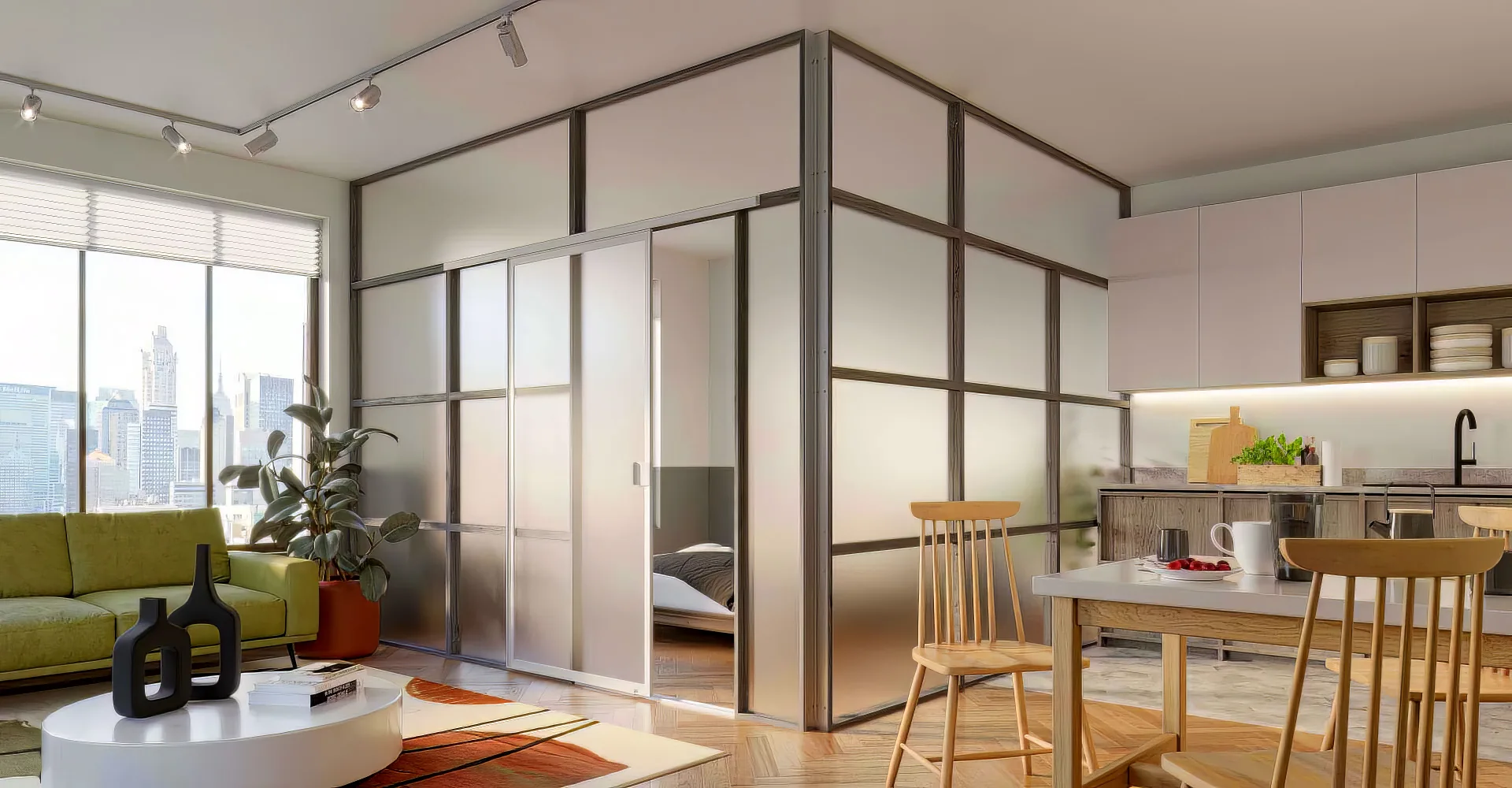
| Light and sightline control | Leaks at every joint | Solid panel — no fabric gaps or sag |
| Venue damage | None | None — fully freestanding, no drilling |
| Cost model | Rent every time | Rent per event, or buy and reuse |
Who Rents Hard Walls Instead
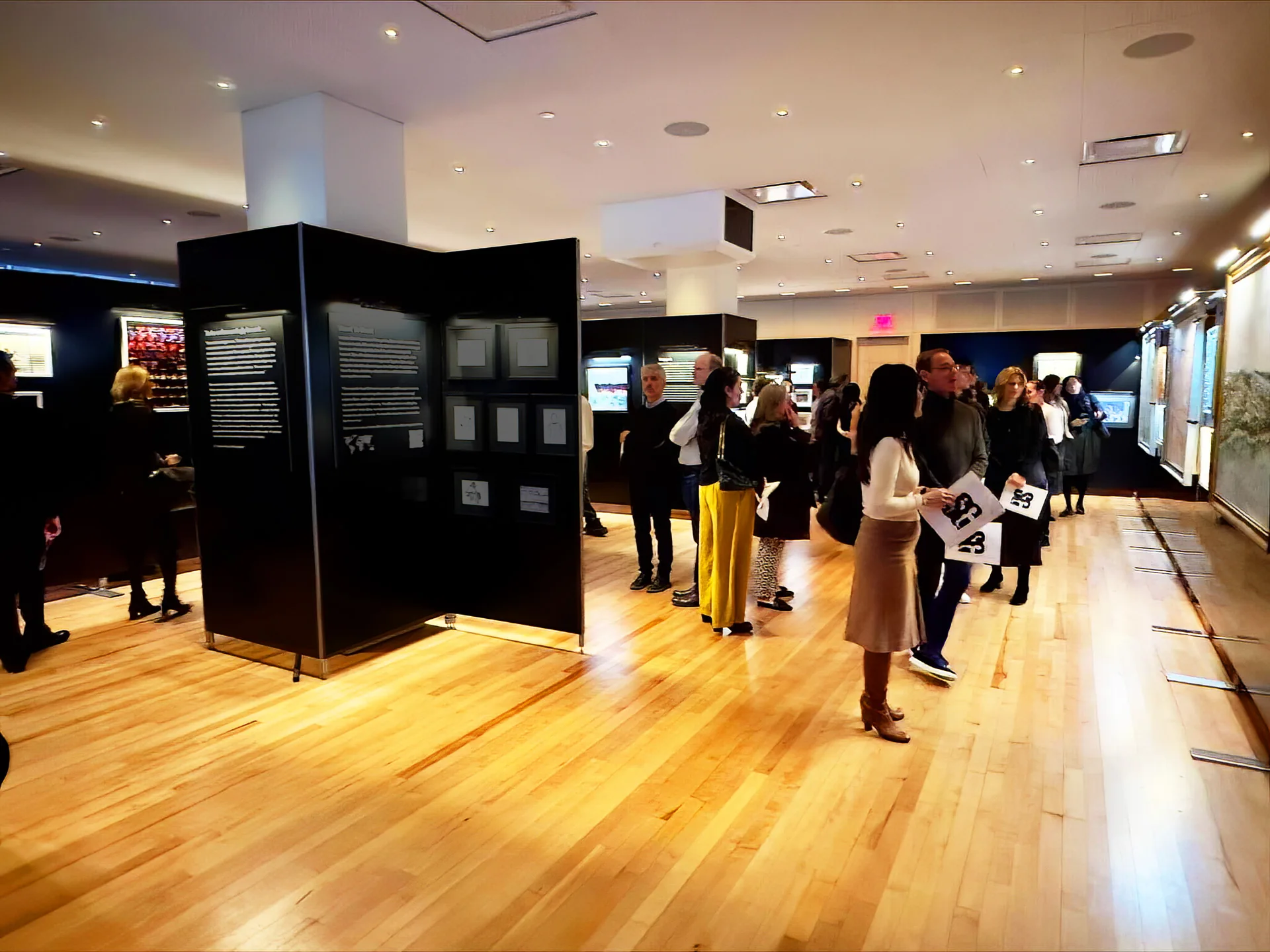
Galleries and art fairs — you can't hang real work on drape.
Fashion shows — runway dividers and backdrops that hold up on camera.
Brand activations and pop-ups — when the backdrop is the brand.
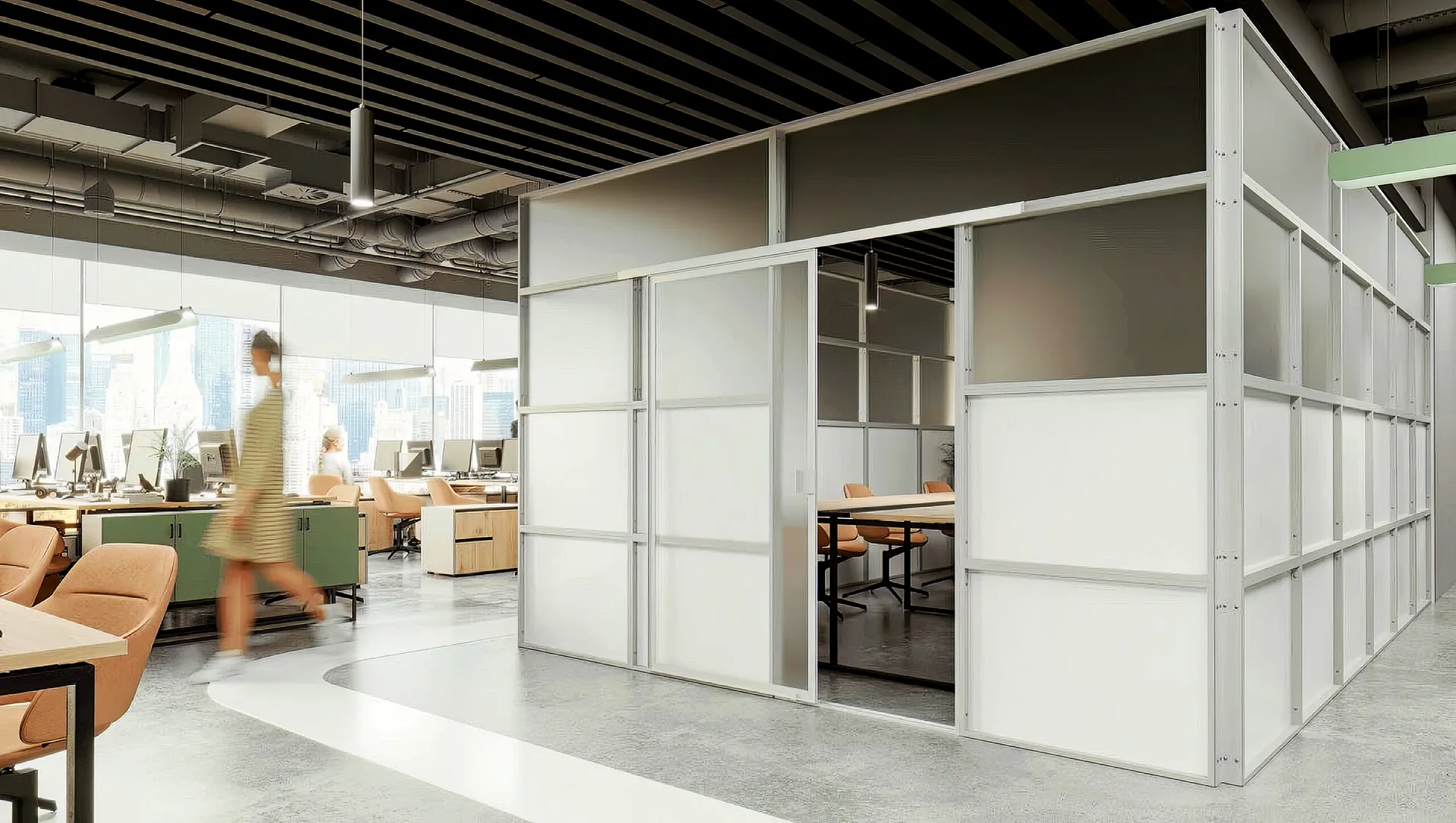
Trade show exhibitors — where the booth has to look built, not issued.
We deliver, install, reconfigure on site, and strike, using our own crew. Because the walls are freestanding, there's no drilling and no venue damage. We travel nationwide, with travel billed as a separate line item so you can see exactly what the distance costs before you commit.
The Bottom Line
For masking, back-of-house, and mandated booth shells, pipe and drape is the industry default for good reason. Take the quote.
For anything that gets photographed, branded, or hung on — you're paying rental money for a surface that can't do the job. Price both before you book.
See what your footprint costs in hard walls
Send us your venue, dates, and linear footage and we'll quote it against the drape number you already have. Delivery, install, and strike by our own crew.
Get a Rental Quote
Running 3+ shows a year? Buy and reuse instead →
Frequently asked questions
Most rental houses price per linear foot or per section, adjusted for fabric tier, height, delivery, install, strike, and venue labor rules. Get an itemized quote — it's the only honest way to compare against a hard-wall rental for the same footprint.
No. The crossbars are rated for the weight of the fabric panels, not framed work, screens, shelving, or rigid signage. If anything needs to hang on the wall, you need a hard wall.
For masking and mandated booth shells, yes — it's the industry default for a reason. If your booth is a brand statement, a photo backdrop, or needs to carry graphics and product, rigid walls are the upgrade.
Yes — that's exactly what our event rental service does. Freestanding, gallery-grade walls, delivered, installed, and struck by our own crew. We travel nationwide, with travel quoted as a separate line item.
No. Pipe and drape is suspended fabric. A partition wall is a solid freestanding panel that looks and behaves like real architecture — you can hang on it, brand it, and photograph against it.
Related reading
Price your choice of product in 10 seconds
NewPick your product — rent or purchase — the real quote lands in 24 hours.
Venue-approved and freestanding — delivered, installed, and struck the same night.
Rental estimate
From $2,600
Financing available through SweetPay — apply in minutes
We’ll text this number once to confirm your request went through and to make sure our email reached you. Msg & data rates may apply. Reply STOP to opt out.
$650 per wall, picked up from our Brooklyn location — delivery quoted by order size and location.
Get the spec PDF + 24h quote
No contractor, no permit, ships nationwide.