




Temporary Wall NYC: What the DOB Actually Says in 2026

Last reviewed by Amit · May 2026
If you’re a NYC renter looking for a temporary wall, the market is confusing — and deliberately so.
You’ll find dozens of contractors offering “legal temporary walls,” “flex walls,” and “pressurized room dividers” — many of them operating in a gray area that has been narrowing significantly since the NYC Department of Buildings clarified its enforcement position.
Here’s what the DOB actually says in 2026, what it means for your apartment, and the one wall solution that avoids the entire issue.
Stop Asking Your Landlord for Permission
See the permit-free temporary wall that works because it attaches to nothing and functions as furniture.
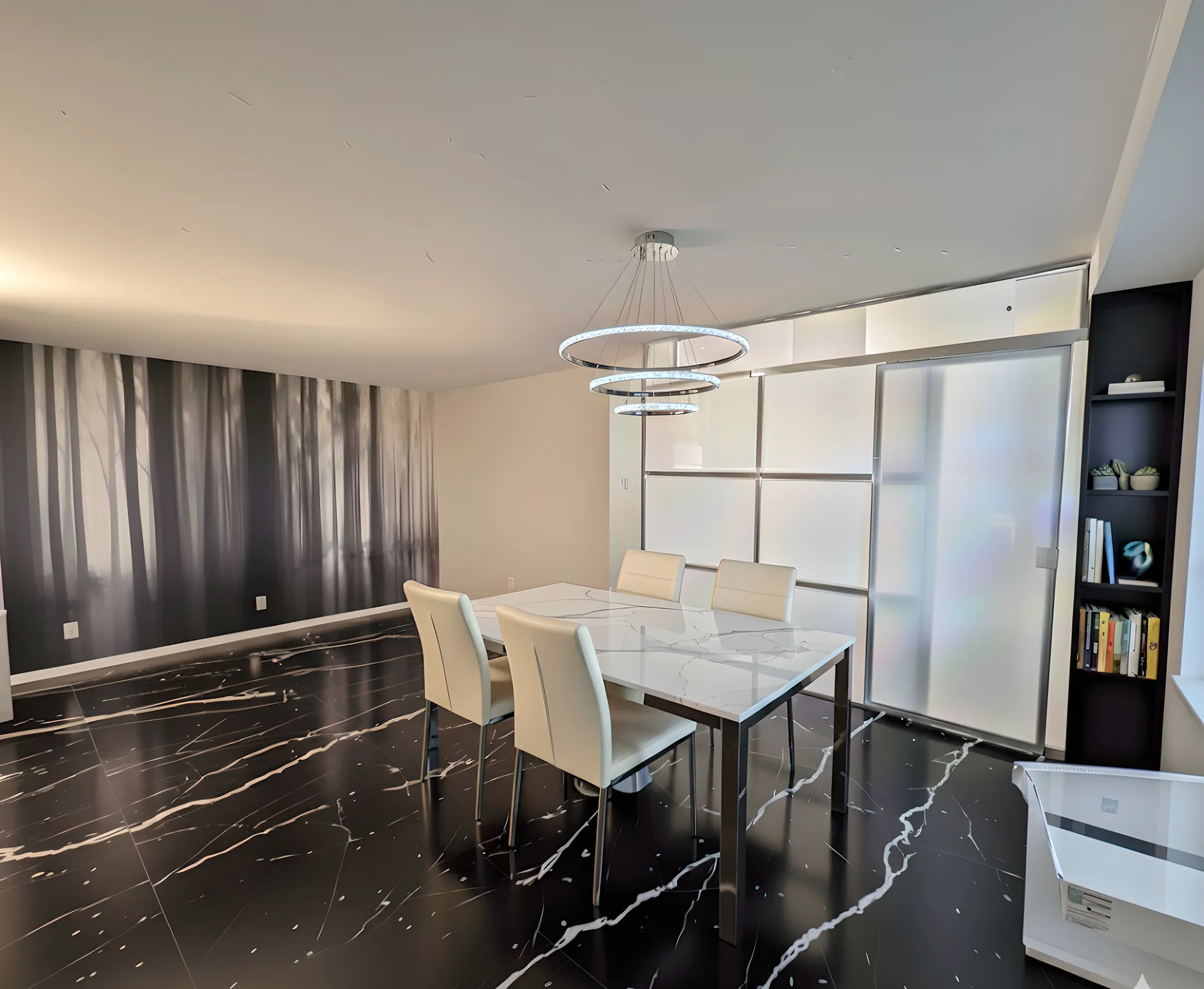
Video Summary
This video shows a freestanding temporary wall solution for NYC apartments. Because the divider attaches to nothing and functions as furniture, it avoids drilling, construction, and permit issues.
What the NYC DOB Says About Temporary Walls
The NYC Department of Buildings has been consistent in its position: any floor-to-ceiling wall system that is not permanent construction is still construction if it structurally divides a space.
This classification applies to pressurized walls — systems that use compression between the floor and ceiling to hold a wall in place. Despite the name “temporary,” the DOB treats these as unauthorized alterations to the apartment’s layout.
The specific enforcement issues:
Certificate of Occupancy violations: Adding a room via pressurized wall changes the functional layout of an apartment in ways that affect its Certificate of Occupancy. A studio converted to a bedroom via pressurized wall is no longer legally a studio — and that conversion requires permits.
Building code compliance: Pressurized walls typically don’t meet fire egress requirements, smoke detector placement rules, or ventilation standards for habitable rooms.
Co-op and condo board authority: NYC co-op boards and condo associations have broad authority to enforce house rules that prohibit unauthorized alterations. Pressurized walls almost universally fall under this prohibition.
Landlord enforcement: Luxury rental buildings and professionally managed properties have become significantly more aggressive about pressurized wall enforcement since 2023. Discovery during routine inspections, lease renewals, or subletting applications routinely triggers removal requirements.
Who’s at Risk
Not every building enforces equally. A rent-stabilized walkup managed by a small landlord may look the other way. A luxury high-rise with a full-time super and a responsive management company will not.
The highest-risk situations: – Co-op or condo apartments (board approval required for alterations) – Luxury rental buildings with active management – Apartments with upcoming lease renewals or subletting applications – Buildings where neighbors have complained about construction noise – Any building that has recently had a DOB inspection
The Freestanding Alternative: Exempt from All of This
A freestanding room divider system — one that stands independently without making contact with walls or ceiling — is classified as furniture under NYC law.
Furniture doesn’t require permits. Furniture doesn’t require board approval. Furniture doesn’t violate Certificates of Occupancy. Furniture doesn’t trigger DOB enforcement.
The distinction is meaningful and legally clear: a freestanding system that can be moved like any other piece of furniture is treated identically to a bookshelf or a wardrobe in the eyes of NYC’s regulatory framework.
This is why increasing numbers of NYC renters — particularly in co-ops, luxury buildings, and buildings with active management — are choosing freestanding systems over pressurized walls. It’s not a workaround. It’s the legally correct solution.
What “Freestanding” Actually Means
A properly designed freestanding wall system: – Makes zero contact with walls or ceiling – Stands independently through its own structural design – Has a base that sits on the floor without fasteners or anchors – Can be relocated or disassembled without any tools or professional assistance – Leaves no marks, damage, or evidence of installation when removed
The engineering challenge — particularly in NYC — is achieving this while also standing perfectly stable on floors that aren’t level. Pre-war buildings, older co-op stock, and even many newer buildings have floors with enough variance that a simple freestanding panel would lean or wobble.
The solution is built-in adjustable leveling legs — a feature that adjusts independently at each panel base to compensate for floor irregularities. This keeps the wall plumb and stable regardless of floor conditions, without requiring any contact with walls or ceiling.
Nationwide Application
While this article focuses on NYC’s regulatory environment — the most complex in the country — the same principles apply nationally.
Most cities don’t have NYC’s level of enforcement. But the practical advantages of a freestanding system over a pressurized wall apply everywhere: – No lease risk – No security deposit risk – No contractor required – Moves with you when you relocate
For renters in any city who want to divide space without creating liability, a freestanding system is the correct solution — legally and practically.
The Bottom Line
In 2026, the NYC DOB’s position on pressurized temporary walls is clear. Buildings are enforcing more aggressively. The contractors who tell you their pressurized walls are “legal” are operating in a gray area that has been steadily closing.
A freestanding room divider system is the only temporary wall solution in NYC that is definitively, categorically legal — in every building type, in every borough, with zero regulatory risk.
Configure your legal freestanding wall today. [Get a free layout consultation →](/get-a-quote/)
Get the spec PDF + 24h quote
No contractor, no permit, ships nationwide.